

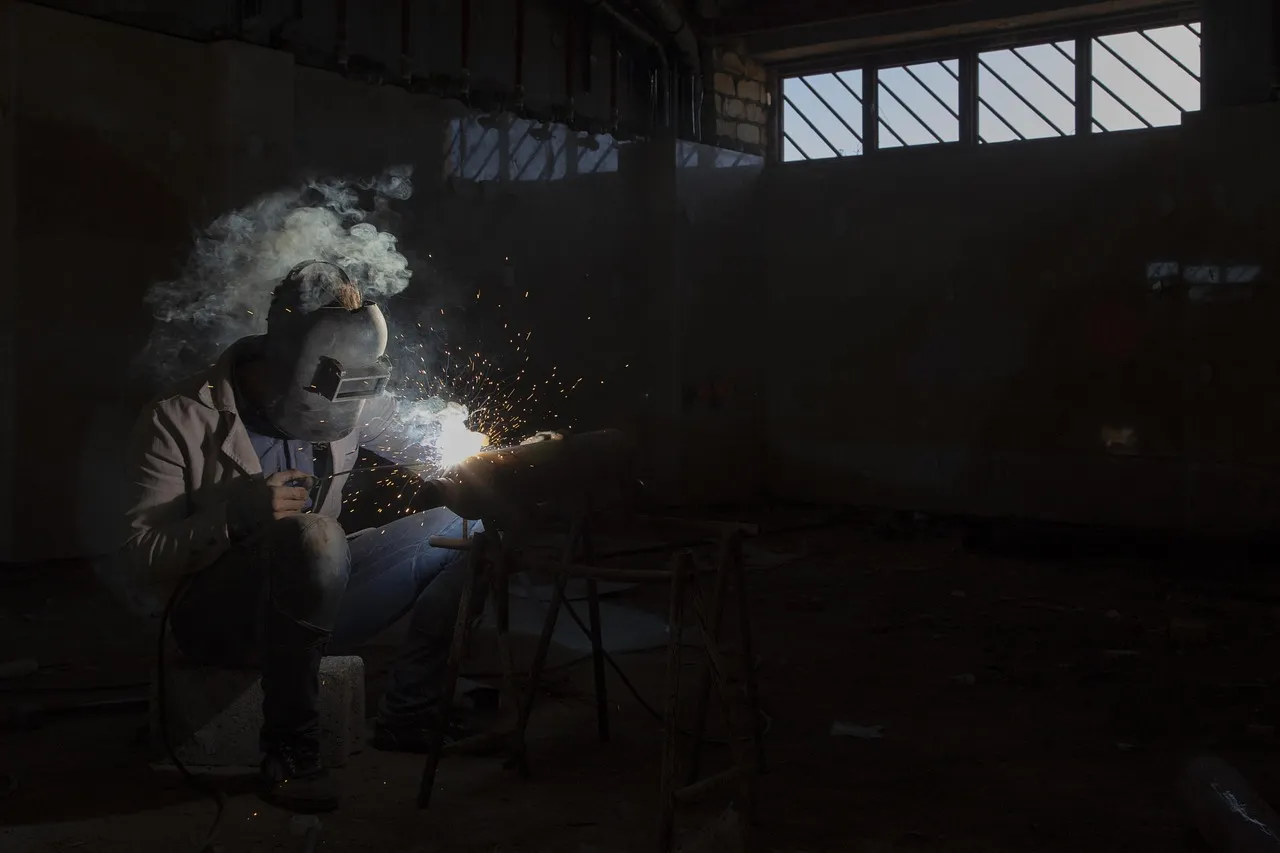
If you have ever asked a welder whether you need MIG or TIG, you have probably gotten an answer that sounds like it was written for an engineering textbook. Here is the plain version, from a shop that runs both processes daily.
MIG welding (Metal Inert Gas) uses a continuously fed wire electrode and a shielding gas to create strong, fast welds. It is the workhorse of structural steel, equipment frames, trailers, and most commercial fabrication. If your project needs solid joints, reasonable cost, and a quick turnaround, MIG is usually the answer.
TIG welding (Tungsten Inert Gas) uses a non-consumable tungsten electrode and a separate filler rod, giving the welder much finer control over the bead. The result is cleaner, more precise, and better-looking. TIG is the process we use on stainless steel, aluminum, thin-gauge metals, and any visible joint where appearance matters — handrails, furniture, decorative metalwork.
So which do you need? If the weld will be hidden inside a structure or under paint, MIG gets the job done faster and costs less. If the weld is visible, if you are working with stainless or aluminum, or if the tolerances are tight, TIG is worth the extra time and cost.
At RCM Metal Works in Murray, Utah, we do not push one process over the other. We look at the material, the application, and the finish you need, then recommend the process that makes the most sense. Most of our custom projects use a combination of both.
Not sure what your project calls for? Call us at (801) 505-3369 or stop by our shop at 4131 S 420 W in Murray. We will take a look at what you have and give you an honest recommendation — no upsell, no jargon.